
Radio Frequency Shielding Material:
What Materials Block Radio Waves? A Practical Guide to RF, EMI, and RFI Shielding
Designing effective RF, EMI, and RFI shielding is no longer optional for modern electronics. From aerospace systems and medical imaging devices to telecommunications hardware and high-speed digital products, uncontrolled electromagnetic interference can compromise signal integrity, reduce performance, and create compliance issues. The radio frequency range, spanning from 3 kHz to 300 GHz, is especially relevant to wireless communication technologies such as Wi-Fi, cellular, and satellite systems, making effective shielding critical in these environments.
As engineers and product designers search for the best RF shielding material, one question continues to surface: what materials block radio waves most effectively for a given application? Shielding is essential for protecting sensitive electronic devices and sensitive components, as electromagnetic signals and external signals can disrupt their operation and reliability across critical industries. The answer depends on several variables, including operating frequency, enclosure geometry, shielding effectiveness requirements, environmental conditions, and fabrication method.
Understanding how to block frequency waves requires more than simply selecting a conductive metal. Effective RF shielding depends on the ability to reduce or block unwanted radio frequency signals through the use of highly conductive materials such as copper and aluminum, which create electromagnetic barriers that help contain or redirect interference.
The frequency range of the application guides the necessary conductivity and material thickness for effective shielding, ensuring optimal protection against interference.
At E-Fab, we’ve spent decades helping engineers and design teams identify the right RF shielding material for demanding applications by combining deep material knowledge with precision photochemical etching capabilities. This guide explains how RF shielding works, compares common shielding materials, and outlines how to choose the best material for specific EMI and RFI shielding applications.
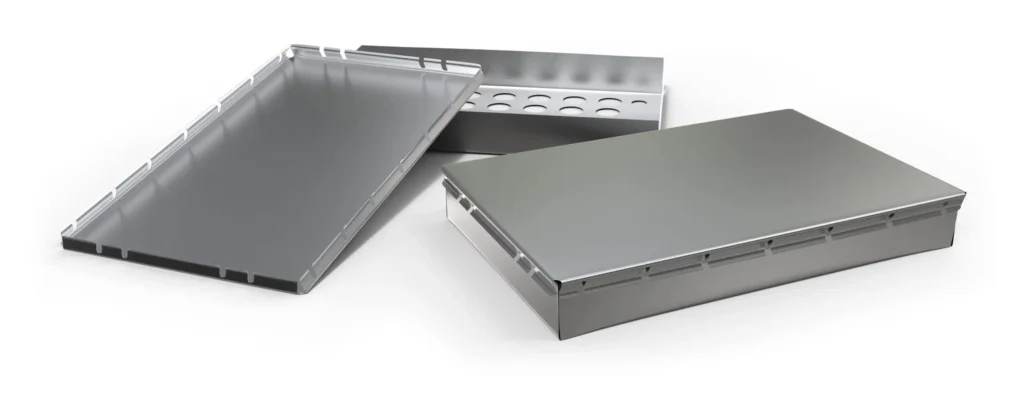
RF Shielding Basics
RF shielding refers to the use of conductive or magnetic materials to reduce or block radio waves, electromagnetic interference (EMI), and radio frequency interference (RFI). These shielding materials create a controlled electromagnetic environment that protects sensitive electronics from outside interference while also preventing internal emissions from escaping. Radiofrequency shielding is achieved through the use of shielding enclosures and conductive enclosures that block radio frequency signals and electromagnetic fields, ensuring a controlled, interference-free environment.
Electromagnetic shielding is used across industries where electronic reliability is critical, including:
- Aerospace and defense
- Medical devices and MRI systems
- Telecommunications equipment
- Industrial automation
- Photonics and imaging systems
- Automotive electronics
- Consumer electronics
These applications often require the protection of sensitive electronic devices and emphasize the importance of blocking RF signals to prevent interference.
Although the terms are often grouped together, they describe different electromagnetic phenomena:
- RF (Radio Frequency): Electromagnetic energy typically spanning kHz through GHz frequencies, composed of electric and magnetic fields that travel as waves within the electromagnetic spectrum
- EMI (Electromagnetic Interference): Any unwanted electromagnetic disturbance
- RFI (Radio Frequency Interference): EMI specifically within radio frequency ranges
Faraday cages are a well-established method for RF shielding, designed to block external electromagnetic fields and radio-frequency signals from penetrating their walls, floor, and ceiling. Solid metal enclosures are another common RF shielding method, containing or excluding RF signals based on the material, thickness, and completeness of the enclosure, both serving as effective barriers to electromagnetic fields.
Effective shielding prevents data corruption, signal distortion, cross-talk, and unpredictable system behavior while helping products meet FCC, CE, and MIL-STD compliance standards. Proper shielding is essential to prevent unwanted radio frequency signals and maintain the integrity of sensitive equipment.
Common Problems Caused by Poor RF Shielding
Without proper RF shielding materials and enclosure design, electronic systems may experience:
- Data transmission errors
- Wi-Fi and wireless communication disruptions
- Cross-talk between nearby circuits
- Failed EMC compliance testing
- Increased electronic noise
- Distorted imaging signals in medical systems
- Interference from power lines or nearby electronics
- Reduced performance in high-frequency applications
- RF interference from both natural sources (such as solar flares) and man-made sources, which can disrupt wireless devices and wireless networks
Proper cable shielding and preventing RF leaks are essential for maintaining signal integrity and shielding effectiveness, as gaps or poor grounding can allow unintended emissions. Magnetic coupling, where fluctuating magnetic fields induce interference between conductors, can also introduce radio frequency interference if not properly mitigated. Preventing RF leaks through the use of gaskets, cable shielding, and shielded vents is critical to ensure the overall effectiveness of radio frequency shielding.
Early integration of EMI and RF shielding solutions reduces redesign costs and improves long-term product reliability.
How RF Shielding Works
To understand how to block frequency waves effectively, it is important to understand how shielding materials interact with electromagnetic energy. RF shielding is specifically designed to block or reduce electromagnetic radiation, including both electromagnetic waves and electrostatic fields, to protect sensitive electronic devices from interference.
RF shielding materials reduce electromagnetic interference through three primary mechanisms:
- Reflection
- Absorption
- Attenuation (including blocking electromagnetic waves using specialized materials such as conductive elastomers, which offer flexible and effective RF shielding solutions)
When choosing or selecting RF shielding materials, it is essential to consider application requirements and performance characteristics to ensure optimal protection against electromagnetic interference and radio frequency RF signals.
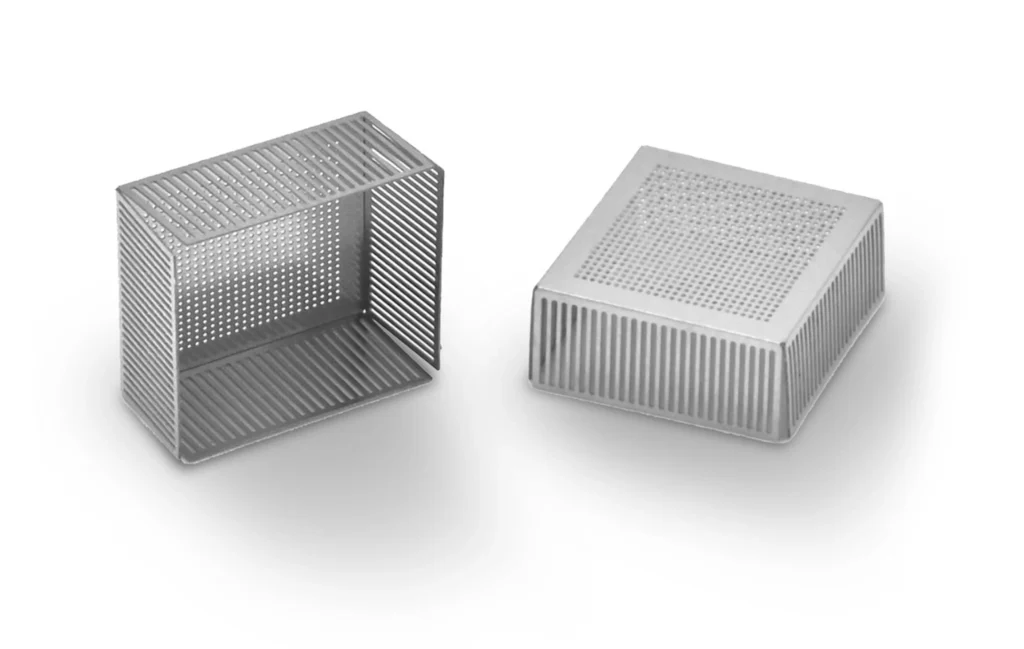
Reflection vs. Absorption
Most conductive RF shielding materials block radio waves by reflecting electromagnetic energy away from sensitive electronics.
- Reflection: Highly conductive metals such as copper and aluminum, known for their high electrical conductivity, redirect electromagnetic waves away from protected areas. The use of conductive materials is crucial for effective RF shielding.
- Absorption: Magnetic materials with high permeability absorb electromagnetic energy and convert it into heat. Different RF shielding materials are selected for specific frequency ranges to maximize effectiveness, ensuring optimal electromagnetic protection.
High-frequency shielding applications usually rely on conductive reflection, while low-frequency magnetic shielding often depends on absorption.
Conductivity and Magnetic Permeability
Two material properties largely determine shielding effectiveness:
- Electrical conductivity improves RF wave reflection
- Magnetic permeability improves low-frequency magnetic field absorption
For example:
- Copper offers extremely high conductivity for broadband RF shielding
- Aluminum provides lightweight, cost-effective shielding for high-frequency applications
- Mu-metal excels at absorbing low-frequency magnetic fields
- Copper alloy provides a balance of conductivity and corrosion resistance, making it suitable for specialized RF shielding applications in industrial, medical, and electronic environments
Selecting the best RF shielding material depends heavily on the frequency range and environmental conditions of the application. Proper shielding is essential to protect sensitive circuits and sensitive equipment from electromagnetic interference, especially in environments like medical facilities and research sectors.
Enclosure Design Matters as Much as Material Choice
Even the highest-performing shielding material can fail if the enclosure design is poor. RF shielded enclosures and shielding enclosures are specifically constructed with conductive metals or materials to block incident electromagnetic fields and prevent external interference, creating a controlled environment free from disruptive radio-frequency interference.
Shielding performance is strongly affected by:
- Gaps and apertures
- Poorly sealed seams
- Inconsistent grounding paths
- Improper vent design
- Cable leakage
To ensure effectiveness, it is crucial to minimize gaps, as even small openings larger than approximately 1/10th to 1/20th of the wavelength being blocked can allow high-frequency waves to leak through. Additionally, when constructing enclosures, using dissimilar metals can lead to galvanic corrosion, so compatible materials or protective coatings should be used to prevent this risk.
Shielding gaskets, conductive meshes, shielded vents, and continuous conductive paths are all critical to maintaining shielding effectiveness.
This is why effective RF shielding requires a combination of material selection, enclosure engineering, and manufacturing precision.
What Materials Block Radio Waves Most Effectively?
One of the most common engineering questions is: what materials block radio waves best?
Most RF shields are constructed with a solid metal exterior and often incorporate the most effective gasket materials to maintain electromagnetic integrity. The answer depends on the frequency range, shielding requirements, mechanical constraints, and environmental conditions.
Conductive metals are generally the most effective RF shielding materials because they reflect electromagnetic waves. Cable shielding and wire mesh are also crucial in blocking RF signals and external signals, helping to prevent electromagnetic interference and maintain signal integrity. Magnetic alloys are preferred when low-frequency magnetic absorption is required.
Common RF shielding materials include copper, aluminum, nickel silver, and steel, each offering different levels of conductivity and shielding effectiveness suitable for various applications.
Below is a practical comparison of the most commonly used RF shielding materials.
Common RF Shielding Materials and Their Best Applications

Copper and Copper Alloys
- Conductivity: Excellent
- Shielding Effectiveness: Extremely high across broad frequency ranges
- Best For: High-performance RF shielding, PCB shielding cans, EMI gaskets, RF meshes
Copper remains one of the best materials for blocking radio waves and unwanted radio frequency signals because of its exceptional electrical conductivity. Copper alloy is also widely used in environments requiring both high conductivity and corrosion resistance, making it suitable for specialized industrial, medical, and electronic shielding purposes. It delivers excellent attenuation across a wide frequency spectrum and is commonly used in demanding RF and EMI shielding applications, effectively blocking RF signals and preventing disruptive interference.
Copper is widely regarded as one of the most effective materials for RF shielding due to its high electrical conductivity and natural corrosion resistance, making it suitable for long-term use in various applications.
Advantages
- Outstanding RF shielding effectiveness
- High electrical conductivity and natural corrosion resistance, making copper ideal for blocking and attenuating RF signals
- Easy to form and solder
- Excellent broadband shielding performance
Limitations
- Higher material cost
- Susceptible to oxidation without protective finishes
Copper is often the preferred RF shielding material for applications where maximum shielding effectiveness is required.

Nickel Silver (Copper-Nickel-Zinc Alloy)
- Conductivity: Good
- Shielding Effectiveness: High
- Best For: Shielding cans, spring contacts, EMI fingers, corrosion-sensitive environments
Nickel silver offers a strong balance between conductivity, corrosion resistance, and mechanical durability. It is frequently used in RF shields that require spring characteristics or long-term environmental stability.
Advantages
- Excellent corrosion resistance
- Good mechanical strength
- Durable spring properties
Limitations
- Lower conductivity than pure copper
Nickel silver is commonly selected for board-level shielding applications where both shielding performance and mechanical reliability are important.
Advantages
- High structural durability
- Corrosion-resistant
- Cost-effective for many enclosure applications
Limitations
- Lower conductivity than pure copper
Nickel silver is commonly selected for board-level shielding applications where both shielding performance and mechanical reliability are important.
Stainless Steel
- Conductivity: Moderate
- Shielding Effectiveness: Moderate to high with proper design
- Best For: Structural shields, rugged enclosures, industrial applications
Stainless steel is widely used when mechanical strength and corrosion resistance are priorities. Stainless steel is often used in solid metal enclosures for radio frequency shielding, where effectiveness depends on the material thickness and how complete the enclosure is.
Advantages
- High structural durability
- Corrosion-resistant
- Cost-effective for many enclosure applications
Limitations
- Lower conductivity than copper or aluminum
- Reduced RF shielding effectiveness at certain frequencies
Although stainless steel is not the most conductive RF shielding material, it performs well in harsh environments where structural integrity is critical.
Aluminum
- Conductivity: Very good
- Shielding Effectiveness: High at RF frequencies
- Best For: Lightweight RF enclosures, aerospace electronics, portable systems
Aluminum is one of the most common materials used to block radio waves in lightweight electronic enclosures.
Advantages
- Lightweight
- Cost-effective
- Naturally corrosion-resistant
Limitations
- Difficult to solder
- Lower mechanical strength than steel
Aluminum is especially effective for high-frequency RF shielding applications where weight reduction is important.
Mu-Metal and High-Permeability Alloys
- Conductivity: Low
- Shielding Effectiveness: Excellent for low-frequency magnetic fields
- Best For: Magnetic shielding, MRI systems, precision instrumentation
Mu-metal and similar high-permeability alloys are designed to absorb magnetic fields rather than reflect RF energy.
Advantages
- Exceptional low-frequency magnetic shielding
- Effective in highly sensitive electronic environments
Limitations
- Expensive material cost
- Sensitive to mechanical stress during fabrication
These materials are commonly used in environments where low-frequency electromagnetic interference must be minimized.
Best RF Shielding Material by Application
Different RF shielding applications require different materials and design priorities.
Best Material for PCB Shielding Cans
For board-level RF shields and shielding cans:
- Copper provides maximum shielding effectiveness
- Nickel silver balances shielding and corrosion resistance
- Stainless steel offers structural durability
Photochemical etching is especially effective for manufacturing precision shielding cans with fine features and tight tolerances.
Best Material for Lightweight RF Enclosures
For aerospace electronics, portable systems, and weight-sensitive applications:
- Aluminum is often the preferred material
- Thin-gauge copper may be used where higher attenuation is required
Best Material for Magnetic Shielding
For low-frequency magnetic interference:
- Mu-metal and ferrite-based materials provide superior absorption
- High-permeability alloys are commonly used around MRI systems and sensitive sensors
Best Material for EMI Gaskets and RF Meshes
For conductive gasketing and mesh shielding:
- Copper meshes provide excellent conductivity
- Nickel silver offers improved corrosion resistance
- Fine aperture design is critical for high
Next Step: Collaborate Early for Better Shielding Performance
Selecting the optimal RF shielding material and fabrication method early in the design process reduces risk, cost, and redesign cycles. E-Fab works closely with program engineers to evaluate materials, geometries, and manufacturing approaches to achieve reliable EMI and RFI shielding performance.
As technology continues to advance, the need for improved shielding solutions increases. Recent developments include nanomaterials like graphene and MXenes, which provide high shielding effectiveness at atomic-level thicknesses for compact hardware, as well as bio-based materials derived from biomass for environmentally friendly RF absorption.
If you’re developing a new design or refining an existing one, consider discussing your shielding requirements with E-Fab’s technical team to explore material options and photochemical etching solutions tailored to your application.
Explore our RF/EMI shielding capabilities
Early collaboration leads to better designs and better electromagnetic performance.